Search This Blog

Reaping

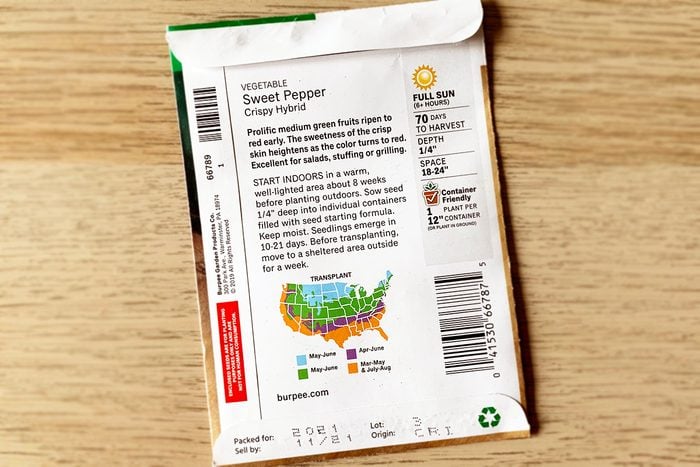
 Back Of Seed Packet


Give me examples of mistakes in sowing

Show drafts

Here are some examples of mistakes in sowing that can affect germination and seedling growth:

Timing:

  • Sowing too early: Planting seeds before the danger of frost has passed or when the soil temperature is too cold can lead to stunted growth, rotting, or failed germination.
  • Sowing too late: Missing the ideal planting window can result in plants not having enough time to mature before the season changes or facing unfavorable weather conditions later.

Depth:

  • Sowing too deep: Seeds need light to germinate. Planting them too deep can bury them too far for them to sprout or deplete their energy reserves before reaching the surface. Refer to seed packet instructions for specific depths for each type of seed.
  • Sowing too shallow: Seeds sown too shallow may dry out too quickly or be vulnerable to temperature fluctuations and predation by birds or animals.

Soil Quality:

  • Poor drainage: Soil that doesn't drain well can lead to waterlogging and seed rot. Amending soil with compost or other organic matter can improve drainage.
  • Nutrient deficiency: Seeds need nutrients to germinate and grow into healthy seedlings. Using a sterile seed starting mix or well-composted soil can provide the necessary nutrients.

Watering:

  • Overwatering: Seeds and young seedlings are susceptible to damping off, a fungal disease caused by excessive moisture. Aim for consistent moisture, not soggy soil.
  • Underwatering: Seeds need moisture to germinate and seedlings need water to grow. Letting the soil dry out completely can hinder germination and damage young plants.

Other Mistakes:

  • Not following seed packet instructions: Seed packets typically include information on planting depth, spacing requirements, light needs, and ideal germination temperatures. Following these instructions increases your chances of success.
  • Sowing expired seeds: Seeds lose viability over time. Check the "sow by" date on the seed packet and avoid using old seeds.
  • Not thinning properly: Some seeds are sown densely and need to be thinned later to allow for proper spacing as the seedlings grow. Refer to seed packet instructions for thinning guidelines.

By avoiding these mistakes and following best practices for sowing, you can increase your chances of successful germination and a thriving garden.

Flesh vs. Spirit in Galatians 6:7-9

Both "flesh" (often lowercase "f") and "spirit" have deeper meanings in Galatians 6:7-9 than their literal definitions. Here's a breakdown:

Flesh:

  • Represents our earthly desires, temptations, and inclinations that often lead us away from God.
  • It's not inherently evil, but problematic when it prioritizes our wants over God's will.
  • The Bible associates flesh with sin, selfishness, and negative traits like pride, greed, and jealousy (Galatians 5:19-21).

Spirit:

  • Represents the part of us that connects with God and seeks to follow His will.
  • It's influenced by the Holy Spirit, God's presence within us.
  • The Spirit is associated with positive qualities like love, joy, peace, patience, kindness, goodness, faithfulness, gentleness, and self-control (Galatians 5:22-23).

Sowing to the Flesh vs. the Spirit:

This passage uses the metaphor of sowing seeds to represent our choices and actions.

  • Sowing to the Flesh: Choosing to indulge in our sinful desires. Examples: Overeating, giving in to anger, prioritizing possessions, gossiping, or succumbing to temptations.
  • Sowing to the Spirit: Aligning ourselves with God's will. Examples: Practicing self-control, forgiving others, helping others, showing gratitude, and spending time in prayer and reflection.


------

Here are some practical examples of how we "sow" to the flesh and the Spirit in our daily lives:

Sowing to the Flesh:

  • Indulging in excesses: This could include overeating, oversleeping, or neglecting responsibilities due to laziness.
  • Giving in to anger or resentment: Holding onto negative emotions towards others can be destructive to ourselves and our relationships.
  • Prioritizing possessions or worldly success: When our focus is solely on material things or earthly achievements, it can lead us away from spiritual growth.
  • Engaging in gossip or negativity: Spreading rumors or focusing on the negative aspects of others can damage our own character and hurt others.
  • Giving in to temptations: This could be anything from sexual immorality to dishonesty, depending on your personal struggles.

Sowing to the Spirit:

  • Practicing self-control: This includes moderation in our habits, managing our time effectively, and resisting the urge to give in to immediate desires.
  • Forgiving others: Letting go of resentment and choosing kindness can bring peace and healing to ourselves and our relationships.
  • Helping others: Acts of service, generosity, and compassion contribute to a more fulfilling life and strengthen our connection to the community.
  • Practicing gratitude: Focusing on the blessings in our lives fosters a positive outlook and appreciation for God's gifts.
  • Spending time in prayer and reflection: Developing a spiritual practice allows us to connect with God, seek guidance, and strengthen our faith.

Remember:

  • It's not always a clear-cut choice. Many situations involve a mix of fleshly desires and spiritual considerations.
  • The goal isn't to become sinless, but to be aware of our tendencies and make choices that align with our values and faith.
  • With practice and self-reflection, we can cultivate a lifestyle that increasingly "sows to the Spirit."


--------------------------------

Flesh (often lowercase "f") refers to our sinful nature and spirit refers to our connection to God.

Here's a breakdown of the concept:

Flesh:

  • Represents our earthly desires, temptations, and inclinations that often lead us away from God.
  • It's not necessarily evil itself, but it can become problematic when it prioritizes our own desires over God's will.
  • The Bible associates the flesh with sin, selfishness, and things like pride, greed, and jealousy.

Spirit:

  • Represents the part of us that connects with God and seeks to follow His will.
  • It's influenced by the Holy Spirit, which is seen as God's presence within us.
  • The Spirit is associated with qualities like love, joy, peace, patience, kindness, goodness, faithfulness, gentleness, and self-control (Galatians 5:22-23).

Sowing and Reaping:

  • The passage uses the metaphor of sowing seeds to represent our choices and actions.
  • Sowing to the flesh means indulging in our sinful desires, while sowing to the Spirit means aligning ourselves with God's will.
  • The reaping refers to the consequences of our choices. Choosing the flesh leads to "corruption" (spiritual decay and separation from God), while choosing the Spirit leads to "life everlasting" (spiritual growth and a closer relationship with God).

Important Note:

This is a simplified explanation, and theologians have debated the exact meaning of flesh and spirit for centuries. Some interpretations emphasize the internal struggle between these two aspects, while others see them as more distinct possibilities for how we live.

 ------------------------------------

Concept of Sowing and Reaping:

  • Literal vs. metaphorical interpretation:
  • Is the verse referring to a literal planting and harvest, or is it a metaphor for our actions and their consequences?
  • Timeframe of reaping: Does the reaping happen immediately, or is it something we experience over time?

Flesh vs. Spirit:

  • Definition of Flesh and Spirit: What does the Bible mean by "flesh" and "spirit" in this context? Does flesh represent our sinful nature and spirit represent our connection to God?
  • Living according to the Flesh vs. the Spirit: What are some practical examples of how we "sow" to the flesh and the spirit in our daily lives?

Perseverance and Reward:

  • Overcoming weariness: The verse mentions not growing weary in well-doing. How can we stay motivated on our spiritual journey, even when it's difficult?
  • Nature of the Reward: What is the "life everlasting" that is reaped by those who sow to the Spirit? Is it referring to heaven, or something more?

Additional Considerations:

  • Free will vs. Predestination: Does this passage imply that we have complete control over our choices (sowing), or is there a role for God's will in the reaping process?
  • Universal application: Does this principle apply to all aspects of life, or just our spiritual growth?


Wig Warning

  a pigeon flying over a brightly colored wig. Image 3 of 4

 Guaranteed to confuse pigeons. 

Not recommended for rooftop use.


Escape Warning

  flying umbrella. Image 1 of 4

Warning: May spontaneously sprout wings and fly away in the presence of extreme happiness.

Ways to Unwind!

 a person meditating. Image 2 of 4

 
Fold a fitted sheet perfectly in under 10 seconds, blindfolded.
 
Organize a synchronized swimming routine for earthworms (use kiddie pools!).
 
Paint a portrait of your house using only ketchup and mustard.
 
Learn to juggle bowling pins while reciting the alphabet backwards.

give me 10 subjects followed by a predicate


give me 10 subjects followed by a predicate

  1. The curious cat climbed the bookshelf.
  2. The delicious cookies disappeared quickly.
  3. The raindrops pattered on the windowpane.
  4. The bright flowers attracted the hummingbirds.
  5. A group of friends went hiking in the mountains.
  6. The old wooden bridge creaked under their weight.
  7. The talented musician played a beautiful melody.
  8. The first rays of dawn painted the sky with colors.
  9. The energetic puppy chased its tail in circles.
  10. The astronaut floated weightlessly in space.

write a story about The astronaut floated weightlessly in space.

The astronaut, Commander Maya Sharma, floated weightlessly in space, her reflection a distorted mess in the visor of her helmet. Outside, the inky blackness was sprinkled with a million glittering stars, the Earth a breathtaking blue marble suspended against the cosmic canvas. But the awe that usually filled Maya on her spacewalks was absent today.

An unfamiliar alarm blared in her earpiece, a harsh red light strobing on her control panel. The oxygen filtration system – critical for life support – was failing. Panic clawed at her throat, but years of training took over. Methodically, Maya ran the diagnostics, her brow furrowing as the numbers confirmed her fear. A critical component had malfunctioned, and the remaining oxygen would only sustain her for a few hours.

Back on Earth, mission control scrambled. Options were limited. A rescue mission wouldn't reach her in time. Maya, they informed her, would have to attempt a risky manual bypass procedure – a feat never attempted in space.

Staring at the complex schematic on her visor, Maya took a deep breath. Fear threatened to consume her, but the image of her young daughter, Anya, waiting for her return, flooded her mind. It was for Anya, for Earth, that she had to try.

With practiced movements, Maya navigated the exterior of the station, her heart hammering against her ribs. Every step, every twist, was a fight against the weightlessness that threatened to send her tools tumbling into the abyss. Finally, she reached the malfunctioning component. It looked like a metallic spider, its delicate innards exposed.

Sweat beaded on her forehead as Maya began the bypass. Time seemed to distort, each delicate maneuver an eternity. Her gloved hands trembled, but she pushed on, fueled by a fierce determination.

Finally, with a click, the bypass was complete. A tense silence followed, broken only by her ragged breaths. Then, the stale air in her helmet seemed to lighten. The alarm ceased, the red light replaced by a reassuring green. Relief washed over Maya, so intense it almost knocked her off balance.

Back home, a year later, Commander Maya Sharma held Anya close, the warmth of her daughter a stark contrast to the cold vastness of space. The near-death experience had changed her. The stars, once a source of wonder, now held a deeper meaning – a reminder of her courage, her resilience, and the enduring love that had brought her home.


Rain lashed against the windowpane, a rhythmic counterpoint to the rumbling purr emanating from beneath the bookshelf. Jasper, a ginger tabby with an insatiable curiosity, had wedged himself precariously between two hefty novels, his green eyes gleaming with mischief. His target: a plate of Mrs. Jones' famous chocolate chip cookies, cooling on the top shelf.

The aroma had been Jasper's undoing. The moment Mrs. Jones had popped the cookies in the oven, his nose had twitched, sending him on a reconnaissance mission. Now, with the agility of a seasoned climber, he navigated the precarious landscape of paperbacks and hardcovers.

Just as Jasper reached the summit, a deafening crash startled him. A vase, toppled by his earlier acrobatics, shattered on the floor. He froze, ears flattened, expecting a scolding. Instead, a giggle erupted from the doorway. There stood Lily, Mrs. Jones' granddaughter, her eyes wide with amusement.

"Caught red-pawed, aren't you, Jasper?" she whispered, her smile infectious. Jasper, disarmed, blinked at her. Lily, unlike most adults, viewed his exploits with a playful tolerance. She often left him treats strategically placed on low shelves, earning his purring loyalty.

Suddenly, a frantic buzzing filled the air. Outside, a flock of hummingbirds hovered outside the window, drawn by the vibrant blooms Mrs. Jones had planted in window boxes. Lily, forgetting the cookie caper, rushed to the window, her face pressed against the cool glass. The vibrant birds, their wings a blur, darted from flower to flower, a miniature ballet in technicolor.

Jasper, sensing an opportunity, nudged the plate of cookies with his nose. One toppled off the shelf, landing with a soft plop on the carpet. Lily, captivated by the hummingbirds, didn't notice. With a triumphant purr, Jasper leaped down, snatched the fallen cookie, and disappeared under the couch, his secret safe with Lily's distracted gaze fixed on the vibrant dance outside. As the rain continued to patter, a ginger blur with a mouthful of chocolate chip cookie enjoyed his illicit treat, the thrill of the adventure just as sweet as the stolen cookie itself.

The Adventures of Robin Hood in Marlinton

 Robin Hood driving a Model T down a street. Image 4 of 4

Robin Hood, ever the champion of the downtrodden, found himself facing an unlikely foe: rush hour traffic on Marlinton's quaint Main Street. Crammed into a borrowed Mini Cooper, courtesy of a grateful miller, Robin fumed as the car inched forward. His usual escape routes, through Sherwood Forest's hidden pathways, were useless against brake lights and impatient honking.

"Seems these infernal machines move slower than a lame mule," grumbled Much, his faithful servant, peering through the rain-streaked windshield.

"Indeed," sighed Robin. "Perhaps I should have left the horse with Miller's son."

Suddenly, a booming voice echoed from a nearby building. "Now's yer chance, folks! Win a real beauty with one lucky card! A single-engine Cessna, perfect for soaring above these woes!"

Robin glanced at the brightly lit Bingo Hall across the street. An airplane? Intrigued, he whipped out his trusty coin purse, ever resourceful. "Much," he declared, "Looks like fate has intervened. We're going on an adventure!"

Much, ever the pragmatist, raised an eyebrow. "But Robin, where would we even put such a thing?"

"Details, details," Robin winked, pulling Much towards the hall. Inside, a motley crew of townsfolk dabbed at their bingo cards with fervor. Robin, with his natural charisma, quickly charmed the regulars, even winning a few knowing smiles with tales of his exploits.

As the game progressed, the traffic jam outside seemed to become a distant memory. Robin, fueled by anticipation and a newfound sense of purpose, marked off numbers with surprising accuracy. Finally, with a dramatic flourish, the caller announced, "B-15!"

A collective gasp filled the hall. Robin, heart pounding, held up his card. Every number matched. Disgruntled shouts erupted from a portly Sheriff, a notorious card shark, who'd been eyeing the prize. But the manager, a jolly man with a fondness for Robin's tales, declared him the winner.

News of Robin Hood, the flying bandit (though the flying part was yet to come), spread like wildfire. The Sheriff, fuming, vowed revenge. But Robin, unfazed, spent the next few weeks learning to fly. The townspeople, ever his supporters, chipped in with fuel and repairs for the dusty Cessna they found tucked away in an old hangar.

Finally, the day arrived. Robin, clad in his trademark green tunic and a borrowed pair of aviator goggles, stood proudly beside the sputtering Cessna. Much, still bewildered but fiercely loyal, stood beside him. With a roar, the engine coughed to life, and Robin, a modern-day Sherwood hero, soared above Marlinton.

From the air, the Sheriff's frustrated pursuit looked like a snail race. Robin chuckled, then dipped the wings in a salute to the cheering townsfolk below. He wasn't just a master archer or a cunning thief anymore; he was Robin Hood, the aviator, a symbol of hope that even in a world of traffic jams and bingo halls, a little courage and a dash of luck could help you take flight.

Bingo!

 a widow flying an airplane with a bingo card in the background. Image 3 of 4

Agnes clutched her worn bingo card, the numbers marked with a mismatched collection of lipstick shades. The bingo hall buzzed with chatter and the hopeful clinking of chips. Agnes, a widow with more wrinkles than years, had never dreamt of extravagance. Yet, tonight, her heart thumped with an uncharacteristic thrill. The prize? A single-engine Cessna.

Agnes wasn't a pilot, but desperation had a way of fueling dreams. Her late husband, a mechanic with a love for tinkering, had spent countless hours restoring the beat-up Cessna in their backyard. They'd dreamt of soaring together above the patchwork quilt of their small town, Elmwood. Now, with her meager savings dwindling, Agnes saw this as a lifeline.

"B-14!" the caller boomed. Agnes' eyes widened. It was the last number. A frantic check confirmed it - Bingo! A collective gasp rippled through the hall. Agnes, known for her quiet demeanor, stood up, her hand trembling as she raised the card.

"Is this a joke, lady?" A younger woman scoffed. Agnes, flustered yet resolute, shook her head. The manager, a portly man with a perpetually surprised expression, verified her win. Disgruntled murmurs filled the air, but Agnes ignored them. This wasn't a night for negativity.

The weeks that followed were a whirlwind. Agnes, with surprising determination, enrolled in flight school. The other students, mostly wealthy businessmen and thrill-seekers, looked upon her with amusement. Yet, Agnes persevered. Her calloused hands, once used for mending clothes, learned the delicate touch of piloting.

Finally, the day arrived. Agnes, clad in a borrowed leather jacket, stood proudly beside her dusty Cessna. The engine sputtered to life, a familiar sound that sent a pang of bittersweet nostalgia through her. Taking a deep breath, Agnes taxied down the runway, the wheels lifting off the ground.

Below, Elmwood grew smaller, houses transforming into colorful squares. Tears welled up in Agnes' eyes. As she soared above the familiar landscape, she wasn't just defying gravity; she was defying limitations. This flight wasn't about winning a bingo game; it was about fulfilling a shared dream, one that had taken flight on the wings of hope.

News of the "Bingo Pilot" spread like wildfire. Tourists flocked to Elmwood for Agnes' scenic tours, her Cessna buzzing above the town like a determined bumblebee. Agnes, once a quiet widow, became Elmwood's unlikely hero, proving that even the most modest dreams, with a little luck and a whole lot of courage, could take flight.

Chainsaw Blues

 a chainsaw in a courtroom. Image 4 of 4

Give me a story in which a rich lawyer falls in love with his chainsaw.

Bartholomew Billingsworth III wasn't your typical lawyer. Sure, he had the tailored suits, the mahogany office, and a vocabulary that could silence a courtroom brawl. But Bartholomew also had a secret passion – a love that defied societal norms and revved with a two-cycle engine. He was in love with his chainsaw, affectionately nicknamed "Cleo."

It started innocently enough. Bartholomew inherited a rambling estate with a neglected forest. He hired a crew to clear it, but their slow progress and exorbitant fees left him frustrated. On a whim, he bought a chainsaw. The first time he fired Cleo up, the world faded away. The rhythmic growl, the satisfying bite of the blade into wood, the way sweat mingled with sawdust on his brow – it was pure, primal satisfaction.

Bartholomew became obsessed. Weekends were spent sculpting fallen trees, meticulously clearing brush, even venturing into chainsaw art (though his initial attempt at a bear ended up looking suspiciously like a hairy potato). He researched different chain oils, bragged about his "clearing times" to bewildered colleagues, and even installed a custom-made leather holster for Cleo in his truck.

His social life withered. Charity galas became "chainsaw maintenance nights," dates turned into lectures on the proper sharpening techniques. The only solace he found was in online forums dedicated to the art of chainsaw mastery. There, under the username "TimberWolf42," he found a community that understood. He shared photos of Cleo's gleaming chrome and traded tips with fellow enthusiasts from across the globe.

One day, a new user joined the forum, "Wildflower101." Her posts were insightful, witty, and displayed a surprising knowledge of advanced chainsaw techniques. Bartholomew, smitten, started a private message exchange. He learned her name was Fiona, a self-proclaimed "chainsaw-wielding wild child" who ran a successful tree-removal business.

Their online connection blossomed. They exchanged stories, debated the merits of different bar lengths, and even shared sketches of their dream chainsaw tattoos. Finally, Bartholomew gathered his courage and asked Fiona out on a date. To his surprise, she said yes.

Their first date was a disaster. Bartholomew droned on about carburetor adjustments while Fiona politely nodded off. But then, during a walk in the park, they saw a fallen branch blocking a pathway. Fiona, her eyes sparkling, pulled out a miniature chainsaw from her backpack. As she expertly cleared the path, Bartholomew knew he'd met his match.

Their love story unfolded over shared wood carving projects, weekend camping trips fueled by campfire stories and the rhythmic hum of chainsaws, and countless debates about the perfect cup of chainsaw oil. They even started a YouTube channel, "The Sawdust Sweethearts," where they showcased their skills and hilarious banter.

Bartholomew may have lost his taste for caviar and soirees, but he gained something far more valuable – love, companionship, and a shared passion that roared louder than any courtroom argument. And Cleo? Well, Cleo remained the ever-faithful companion, her chrome glinting proudly beside them, a silent testament to the most unexpected love story of all.

Logical Fallacies

 false sign. Image 2 of 4

Logical fallacies. Explain why each is wrong

  1. Appeal to Pity: Evokes emotions (pity, guilt) rather than focusing on the merits of the argument. *Example: "You should give me a good grade, I studied all night and really need it." *Flaw: Doesn't address the quality of the work.

  2. Ad Hominem: Attacks the person making the argument instead of the argument itself. *Example: "That scientist's research can't be trusted, they haven't published much lately." *Flaw: Weakens the argument regardless of the person's qualifications.

  3. Appeal to Authority: Assumes something is true because an authority figure says it is. *Example: "This celebrity uses this product, so it must be the best." *Flaw: Authority figures can be wrong, and motivations can be biased.

  4. Strawman Fallacy: Misrepresents or oversimplifies an opponent's argument to make it easier to attack. *Example: "You want gun control? So you want to take away all our guns!" *Flaw: Doesn't address the actual argument for gun control.

  5. Bandwagon Fallacy: Assumes something is valid because many people believe it. *Example: "Everyone is buying this new gadget, so it must be great!" *Flaw: Popularity doesn't guarantee quality or truth.

  6. False Dilemma: Presents only two extremes when more options exist. *Example: "Either you support the war effort or you hate your country." *Flaw: Ignores the possibility of nuanced positions.

  7. Hasty Generalization: Draws broad conclusions from limited evidence. *Example: "I met one rude taxi driver, so all taxi drivers must be rude." *Flaw: Single experiences may not represent the whole group.

  8. Slippery Slope: Suggests a small change will lead to a disastrous chain reaction of events, often unlikely. *Example: "If we allow same-sex marriage, then people will want to marry animals next!" *Flaw: Overdramatizes the potential consequences.

  9. Post Hoc Ergo Propter Hoc (After This, Therefore Because of This): Assumes that because one event follows another, the first event caused the second. *Example: "It rained after the car wash, so the car wash must have caused the rain!" *Flaw: Correlation doesn't equal causation.

  10. Red Herring: Introduces an irrelevant topic to divert attention from the main argument. *Example: "We shouldn't raise taxes, let's talk about how wasteful the government is!" *Flaw: Shifts the focus away from the issue of raising taxes.

  11. Appeal to Ignorance: Assumes something is true simply because we can't prove it false, or vice versa. *Example: "We haven't found aliens yet, so they must not exist." *Flaw: Lack of evidence isn't proof of absence.

  12. Circular Reasoning: Restates the conclusion as evidence for itself. *Example: "God exists because the Bible says so, and the Bible is true because it's the word of God." *Flaw: Doesn't provide independent support for the claim.

  13. Non Sequitur (Does Not Follow): The conclusion doesn't logically follow from the premises. *Example: "The sky is blue, therefore, cats are mammals." *Flaw: There's no connection between the statements.

  14. Equivocation: Uses a word or phrase with multiple meanings ambiguously. *Example: "This policy promotes freedom, and everyone wants freedom, so we should all support it." (Freedom from vs. freedom to) *Flaw: The meaning of "freedom" can shift within the argument.

  15. Loaded Question: Presupposes a certain answer by phrasing the question in a biased way. *Example: "Have you stopped beating your wife?" *Flaw: Forces the person being questioned to defend themself against a false accusation.

  16. Begging the Question: Assumes the truth of the conclusion that needs to be proven. *Example: "Only the smartest people can understand this complex theory." *Flaw: Doesn't actually explain why the theory is complex.

  17. Genetic Fallacy: Attacks an idea based on its origin rather than its merit. *Example: "This philosophy comes from a fringe group, so it must be wrong." *Flaw: The origin doesn't determine the truth value of the idea.

"The War in Ukraine"

 a tracked vehicle. Image 2 of 3

General Conclusions from Specific Observations on the War in Ukraine

Here are some general conclusions that can be drawn from specific observations on the war in Ukraine:

  • Ukrainian Resilience: Despite initial predictions of a swift Russian victory, Ukraine has mounted a strong resistance. This is evident in factors like the defense of Kyiv, the ongoing battles in the Donbas, and the sinking of the Moskva cruiser. This points to the strong will of the Ukrainian people to defend their sovereignty.

  • Shifting Russian Goals: Russia's initial objectives of regime change and swift occupation appear to have been abandoned. This is evidenced by the refocusing of military efforts on eastern Ukraine and the scaling back of attacks near Kyiv. This suggests a potential miscalculation by Russia about Ukrainian resistance and Western support.

  • Global Impact: The war has had significant global consequences. This can be seen in the global food crisis due to disrupted Ukrainian exports, the surge in energy prices due to sanctions on Russia, and the renewed focus on military spending by NATO countries.

  • Evolving Nature of Warfare: The war has showcased the use of drones, cyberattacks, and social media for propaganda and intelligence gathering. This highlights a potential shift in how future conflicts may be waged.

  • Uncertain Future: The war's long-term outcome remains unclear. This is due to factors like the continued fighting, ongoing diplomatic efforts, and the potential for wider escalation.

It's important to note:

  • The situation is constantly evolving, so these conclusions may need to be revised as new information emerges.
  • There are multiple perspectives on the war, so it's important to consult a variety of sources for a well-rounded understanding.

By analyzing specific events and trends, we can arrive at broader conclusions about the war's impact and its potential future trajectory.

Pocahontas County Schools to the West Virginia Statewide County Averages.

  The West Virginia Department of Education (WVDE) released the annual summative assessment results (covering the West Virginia General Sum...

Shaker Posts