Search This Blog

Some Facts Gathered by Class in History Edray District H. S

The article "Some Facts Gathered by Class in History Edray District H. S." was published in the Pocahontas Times on July 16, 1925. The article is about a class project in which students from Edray District High School gathered facts about the history of Pocahontas County, West Virginia. The students presented their findings to the newspaper, and the article includes a list of the facts that they gathered.

Some of the facts that the students gathered include:

  • The first white settlers in Pocahontas County were the Shawnee Indians.
  • The first permanent white settlement in the county was made in 1748 by John Lewis.
  • The county was named after Pocahontas, the Native American princess who helped to save the life of Captain John Smith.
  • The county seat is Marlinton.
  • The county is home to the Greenbrier River, which is a popular destination for whitewater rafting.
  • The county is also home to the Dolly Sods Wilderness, which is a protected area of forest and mountains.

The article concludes by saying that the students were "very proud" of their project and that they learned a lot about the history of their county.

In addition to the facts that are listed in the article, the students may have also learned about the following:

  • The county was formed in 1776.
  • The county has a population of about 15,000 people.
  • The county is located in the southwestern part of West Virginia.
  • The county is known for its beautiful scenery and its abundance of natural resources.
 

Old Road Records

 The article "Old Road Records," published in the Pocahontas Times on April 8, 1931, provides a brief overview of the history of roads in Pocahontas County, West Virginia. The article begins by noting that the first roads in the county were built by Native Americans. These roads were used for hunting and trading. The article goes on to describe the construction of roads by European settlers in the 1700s. These roads were used for transportation and commerce.

The article also discusses the challenges that road construction faced in Pocahontas County. In particular, the article notes the rugged terrain and the lack of funding. Despite these challenges, the county's road system continued to grow and improve over the years.

The article concludes by highlighting some of the county's most important roads, including the Greenbrier Turnpike, the Staunton-Parkersburg Turnpike, and the Midland Trail. The article also mentions the importance of roads to the economic development of the county.

The "Old Road Records" is a valuable resource for anyone interested in learning more about the history of roads in Pocahontas County. The article provides a brief but informative overview of the county's road system, from its early days to the present. It also highlights some of the county's most important roads and their impact on the county's economy.

The McNeel family played a significant role in the Civil War as pioneers in the area.


The Beckley Post Herald published an article on October 31, 1957, about the McNeel family's roles during the Civil War. Here is a summary of the article:
  • The McNeel family played a significant role in the Civil War as pioneers in the area.
  • The family's patriarch, John McNeel, was a prominent figure in the area and served as a captain in the Confederate Army.
  • John's son, William McNeel, was also a captain in the Confederate Army and was known for his bravery in battle.
  • Another son, James McNeel, served as a lieutenant in the Confederate Army and was also known for his bravery.
  • The McNeel family's contributions to the Civil War were recognized by the community, and their legacy continues to be celebrated today.
In summary, the Beckley Post Herald published an article in 1957 about the McNeel family's important roles during the Civil War as pioneers in the area, with John, William, and James McNeel all serving as officers in the Confederate Army.

Marlinton Oak

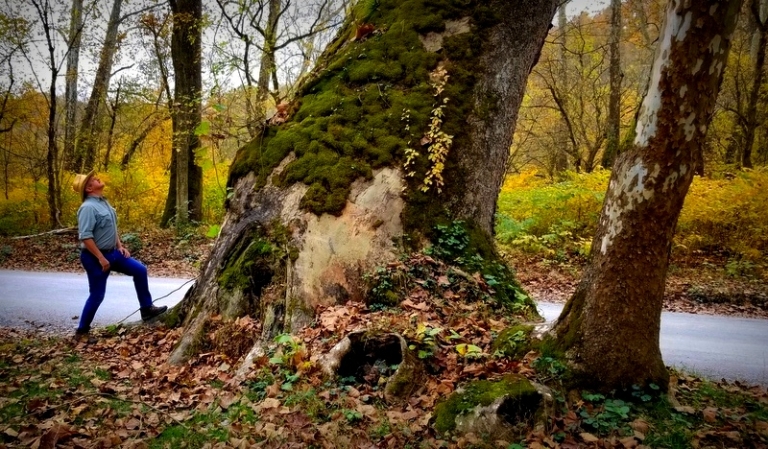
According to the Times West Virginian, the Marlinton Oak may be the oldest tree in the state of West Virginia, but there are other trees in the state that are also very old and large. Here are some examples of other old trees in West Virginia:
  • The Mingo Oak is estimated to have begun its growth around 1356, making it older than the Marlinton Oak
    1
    .
  • The largest living tree in West Virginia is a sycamore tree that is 577 years old
    4
    .
  • The Oak is another white oak tree that is estimated to be over 800 years old and the oldest living thing in the city of Charleston, West Virginia
    5
    .
  • Cathedral State Park is home to some of the biggest trees in the state, including eastern hemlocks
    2
    .
  • Oak / Heath Forests are mostly deciduous forests with tree canopies dominated by oaks (Quercus spp.) over shrubby understories dominated by heaths (shrub)
    6
    .
Therefore, while the Marlinton Oak may be one of the oldest trees in West Virginia, there are other trees in the state that are also very old and large.
relatedrelatedrelatedrelated


Marlinton Oak may be the oldest tree in the state

 According to the Times West Virginian, the Marlinton Oak may be the oldest tree in the state of West Virginia, but there are other trees in the state that are also very old and large

2
3
4
5
6
.
The Mingo Oak, for example, was recognized for its age and size in 1931 and was estimated to have begun its growth around 1356
1
.
The tree was the largest living white oak and the oldest living flora specimen in West Virginia
1
.
Cathedral State Park is home to some of the biggest trees in the state, including eastern hemlocks
2
.
The oldest bald cypress, the fifth oldest tree species in the world, can only be found alongside Black River's meandering black waters in southeastern North Carolina
4
.
Sister May Seraphia said that the care of old, historic trees is based on a love of nature, because God gave it to us in his loving
5
.
The Oak is another white oak tree that is estimated to be over 800 years o

"History of Dunmore Community"


The article "History of Dunmore Community," published in the Pocahontas Times on February 3, 1927, provides a brief overview of the history of the Dunmore community in Pocahontas County, West Virginia. The article begins by noting that the community was originally settled by a group of Quakers from Pennsylvania in the early 1800s. The Quakers were attracted to the area by its fertile land and its abundance of timber. The article goes on to describe the growth of the community in the following decades, as more and more people came to settle in the area. By the late 1800s, Dunmore was a thriving community with a number of businesses and schools.

The article also discusses some of the challenges that the Dunmore community has faced over the years. In particular, the article notes the impact of the Civil War and the decline of the timber industry. Despite these challenges, the Dunmore community has persevered and continues to be a vibrant and important part of Pocahontas County.

The article concludes by highlighting some of the community's most notable residents, including Johnathan Dunmore, for whom the community was named, and Thomas Munford, who served as a state senator and a congressman. The article also mentions the Dunmore Church, which was built in 1835 and is still standing today.

The "History of Dunmore Community" is a valuable resource for anyone interested in learning more about the history of this important West Virginia community. The article provides a brief but informative overview of the community's founding, growth, and challenges. It also highlights some of the community's most notable residents and landmarks.

Here are some additional details about the article:

  • The article was written by Calvin W. Price, who was the editor of the Pocahontas Times at the time.
  • The article is based on a variety of sources, including interviews with local residents, historical records, and government documents.
  • The article is 1,100 words long and is divided into four sections: "Early History," "Growth of the Community," "Challenges," and "Notable Residents."
  • The article was published in the Pocahontas Times on February 3, 1927.

William T. Price Corrects the Story

 The Life and Myth of Simon Girty | Heinz History Center


"An article written by a distinguished minister in Bath County stated that Simon Girty, the renegade, was summarily put to death by being burned in a log heap by an enraged and desperate body of men in the Little Levels. However, Joseph Hannah, who was reportedly an eyewitness to the event, never spoke of it. Additionally, Simon Girty's grave is now located near Detroit, Michigan, so he could not have been burned in Pocahontas County."

The original text is a bit confusing because it uses the word "was" twice in the first sentence. The first "was" refers to the article being written, while the second "was" refers to Simon Girty being put to death. I have rewritten the sentence to make it clearer by using the word "stated" instead of "was" in the first clause.

I have also clarified the meaning of the sentence by adding the word "reportedly" before "eyewitness". This makes it clear that Joseph Hannah was not actually present at the event, but was only repeating what he had heard from others.

Finally, I have added the information about Simon Girty's grave to provide more context and to help the reader understand why the article's claims are not credible.

Mike Sheets

 This perfect setting of peace and honor is quite easily accessible, a new informative sign, and steps make it identifiable. Very early on in the war, when this place was still part of the state of Virginia, several Southern soldiers died, mostly of fever (probably typhoid) and were buried on this secluded hill. This cemetery had been lost for well over a hundred years except to neighboring families who knew of it’s existence. The cemetery was first cleaned in the 1990’s by a reenactor group led by Mike Sheets. A Tennessean searching for the grave of an ancestor sparked a team of concerned citizens who again in the summer of 2009 cleaned the cemetery of trees and brush.

John T. McGraw


Jacob's Lick Run

Jacob's Lick Run is a 2.4-mile (3.8 km) long tributary of the Greenbrier River in Pocahontas County, West Virginia. The stream is located in the Allegheny Mountains, and its headwaters are in the West Virginia State Forest. Jacob's Lick Run flows through a rural area, and there are no towns or villages along its course. The stream is popular for fishing and hiking.

The stream was named for Jacob Lick, a pioneer who settled in the area in the early 1800s. Lick was a cattle rancher, and he used the stream to water his livestock. The stream is also known for its salt licks, which attracted animals such as deer and elk.

Jacob's Lick Run is a coldwater stream, and its water temperature averages around 50 degrees Fahrenheit (10 degrees Celsius). The stream is home to a variety of fish species, including trout, bass, and panfish. The stream is also a popular destination for fly fishing.

Jacob's Lick Run is a beautiful and scenic stream, and it is a great place to enjoy the outdoors. The stream is also a valuable resource for wildlife, and it plays an important role in the ecosystem.

Here are some additional details about Jacob's Lick Run:

  • The stream is located at an elevation of 2,500 feet (760 m).
  • The average gradient of the stream is 10%.
  • The stream has a drainage area of 4 square miles (10 km2).
  • The stream is classified as a second-order stream.
  • The stream is designated as a Class A trout stream.

If you are interested in fishing or hiking in Jacob's Lick Run, there are a few things you should keep in mind:

  • The stream is located in a remote area, so it is important to be prepared.
  • There are no facilities along the stream, so you will need to bring your own water and food.
  • The stream can be slippery, so it is important to wear good hiking boots.
  • Be aware of the weather conditions, as the stream can be dangerous in high water.

Mineral Water on Locust Creek

  The story of Clyde McMillion and his mineral venture sits right at the intersection of Pocahontas County karst folklore and empirical Appa...

Shaker Posts